
For most of human history, the only way we could pass knowledge from one generation to the next was through spoken word. Stories, histories, and wisdom were encoded in memory and shared through oral traditions—passed down by elders, poets, and storytellers. But with the invention of writing, humanity unlocked a new way to compress thought, store information, and communicate across time and space.
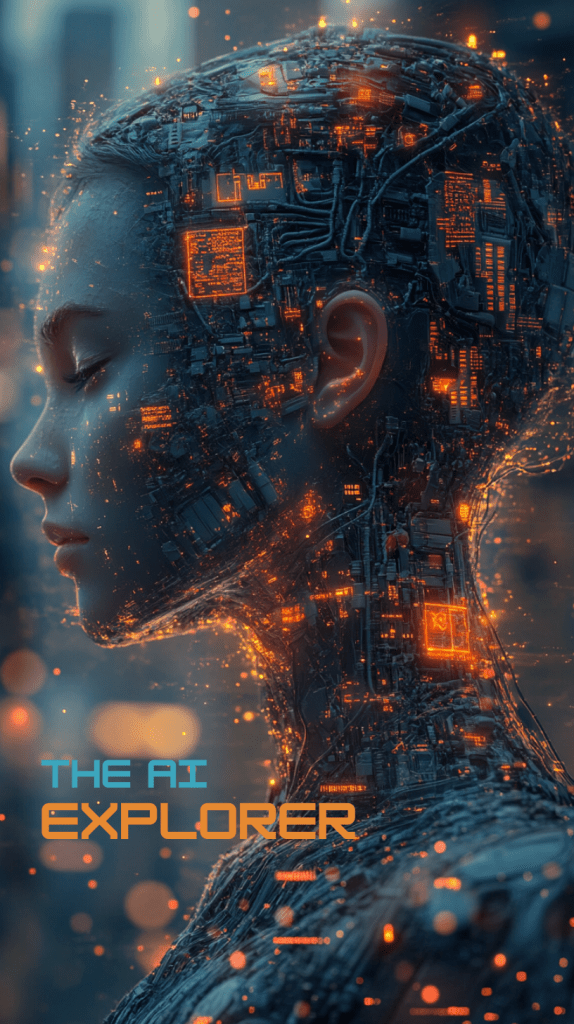
Now, in the age of AI, we stand at the threshold of another transformation. Could artificial intelligence and emerging technologies reshape the way we think, communicate, and even encode knowledge itself? And if so, where does this leave us? Could we be moving towards a future where even text is obsolete, replaced by direct thought transmission—perhaps even telepathy?
The Age of Orality: When Words Were Fleeting
Before the written word, human knowledge was stored within minds and shared through speech. This meant that information was alive—fluid, adaptable, but also fragile.
Ancient cultures relied on oral storytelling, where myths, laws, and histories were memorised and passed down. The works of Homer, for instance, were originally recited rather than written, ensuring their survival through generations of oral tradition. Similarly, indigenous cultures around the world have relied on storytelling as a way to preserve their history, long before they ever had a written script.
The biggest challenge? Oral knowledge was vulnerable to change, misinterpretation, or even complete loss. Without a fixed record, stories could evolve—sometimes for the better, but often at the cost of accuracy.
The Birth of Writing: Encoding Thought into Symbols
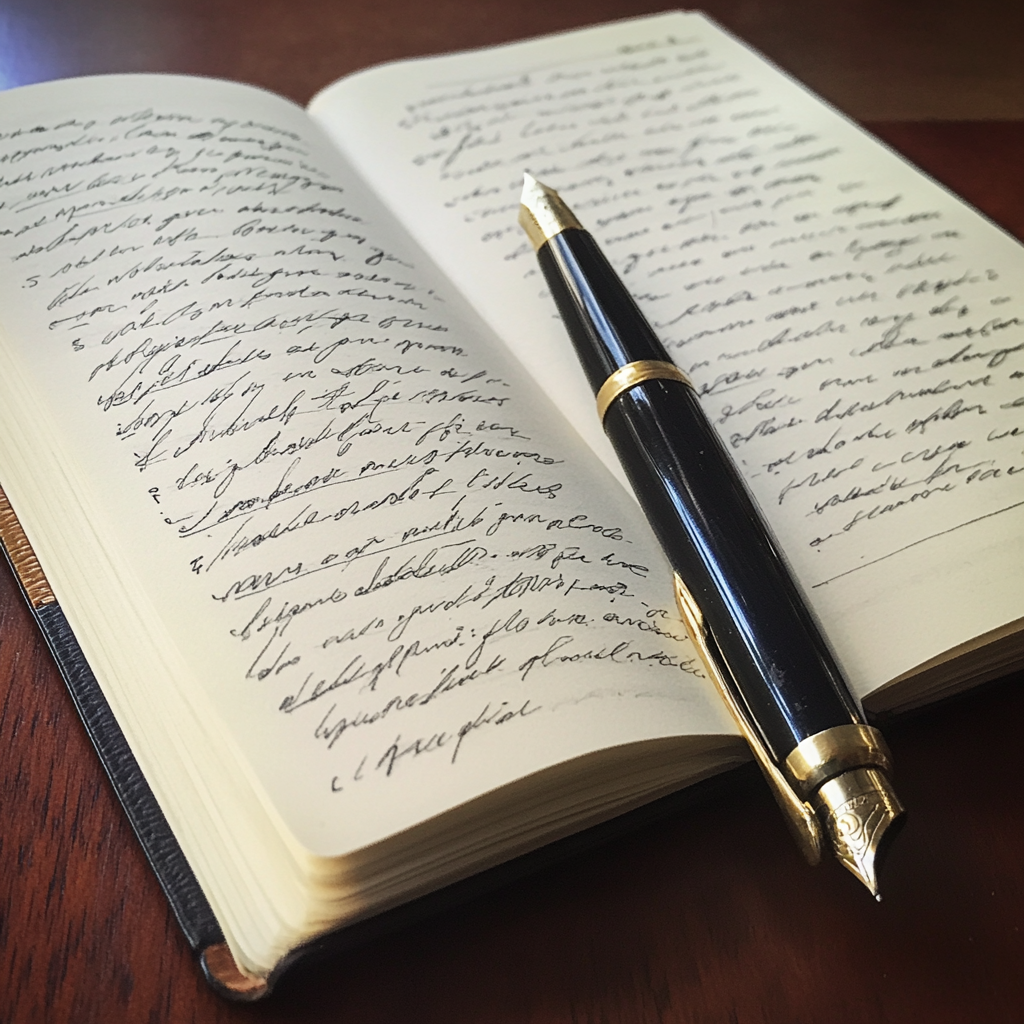
The invention of writing changed everything. Suddenly, thoughts could be preserved in a permanent form. From the earliest cuneiform tablets in Mesopotamia to the hieroglyphs of Ancient Egypt, humanity discovered a way to “compress” knowledge into symbols that could be read and understood centuries later.
Writing made it possible to document laws, record history, and share ideas beyond immediate communities. It was the first real leap in human communication—allowing us to transcend the limits of memory and geography.
With the advent of the printing press in the 15th century, writing took another massive leap forward. Text became more accessible, literacy spread, and knowledge was no longer confined to the elite. This democratisation of information shaped the modern world as we know it.

The Digital Age: The Next Evolution of Thought Compression?
Fast forward to today, and we find ourselves at another turning point. The rise of AI is changing the way we interact with text and information.
We no longer need to memorise vast amounts of knowledge—everything is a Google search away. AI can generate text, summarise complex ideas, and even interpret human emotions through language. The act of writing itself is evolving, as AI-assisted tools reshape how we process and communicate thoughts.
But with this shift comes an important question: Are we outsourcing our cognitive abilities?
If AI can write for us, think for us, and even predict what we want to say before we say it, does this diminish our need for traditional literacy? Will future generations rely more on AI-driven knowledge than on the act of reading and writing itself?
The Future: Are We Heading Towards Telepathic Communication?
If writing was humanity’s first breakthrough in thought compression, and AI is the next step in augmenting our communication, what comes next?
Some futurists believe that we may one day move beyond text entirely. With advancements in brain-computer interfaces, such as Neuralink, the idea of direct thought transmission—essentially, telepathic communication—is no longer confined to science fiction.
Imagine a world where ideas are instantly shared, no need for speech or text. No need to translate languages, no misinterpretations—just raw, unfiltered thought, transferred in real-time.
But would this be an advancement, or a loss? Writing has allowed us to articulate, refine, and expand our thoughts. It has given us poetry, literature, philosophy—forms of expression that rely on the nuance of language. If we move towards instant thought-sharing, do we risk losing the beauty and depth of written communication?
Perhaps the future isn’t about replacing text, but integrating it with new forms of communication. AI might not erase writing, but rather enhance it, just as writing once enhanced oral storytelling.

Final Thoughts: The Role of AI in the Next Era of Communication
The way we communicate has always evolved first through speech, then writing, and now AI-driven interaction. Each shift has brought challenges, but also incredible opportunities.
The question isn’t whether AI will replace text, but rather how it will reshape our relationship with it. Will AI free us from the limitations of traditional literacy, or will we lose something vital in the process? And if we do eventually develop direct thought-sharing, how will that change the way we experience human connection?
One thing is certain: the way we encode, store, and transmit knowledge will continue to evolve. But whether through AI, writing, or even telepathy, the fundamental desire remains the same—to communicate, to connect, and to preserve the essence of human thought.
What do you think? Will we always need writing, or are we heading towards a future where text is no longer necessary?




Leave a Reply