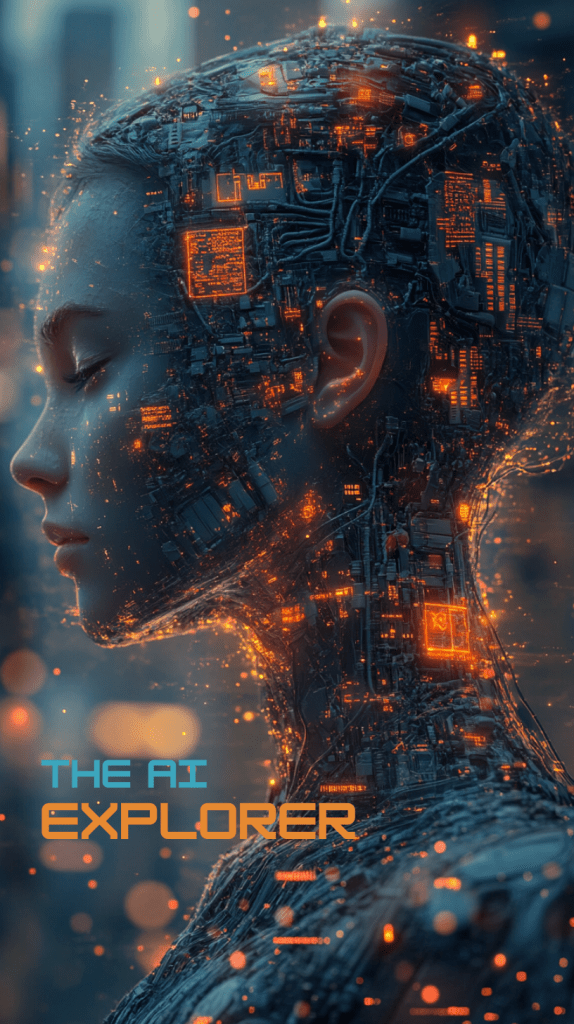

Artificial Intelligence (AI) has quickly moved from a futuristic concept to a fundamental shift reshaping careers, industries, and societies worldwide. Whether you’re new to the job market, mid-career, or looking at leadership roles, understanding AI’s impact is critical to navigating your professional journey in the coming decade.
AI technologies, especially generative AI like ChatGPT, have shown an incredible ability to automate tasks that were once exclusively human writing, coding, creative design, and even video production. Take OpenAI’s Sora, for example, a powerful AI tool capable of turning simple text prompts into professional-grade video content in mere seconds. Such innovations signal that AI’s influence is no longer limited to repetitive tasks; it’s quickly encroaching on complex, cognitive roles.
How AI Will Transform Your Work
Experts, including those at McKinsey, suggest that by 2030, up to 30% of working hours in the US could be automated by AI. This transformative wave will impact careers across three distinct phases:
- Human-First Workplaces: Historically, tools enhanced human productivity without replacing the core human role. This has defined most of industrial history until now.
- AI-Assisted Workplaces: This is our current reality. AI augments human capabilities, performing routine tasks and enabling people to concentrate on more strategic, creative, or emotionally intelligent aspects of their jobs.
- AI-First Workplaces: Eventually, we’ll witness fully autonomous systems taking over entire occupations. Jobs that rely heavily on structured tasks with predictable outcomes are particularly vulnerable.
Understanding where your current or future role falls within these phases is essential. The shift from human-first to AI-first workplaces won’t happen overnight, but it’s already underway, and its pace will only accelerate.
The 5 Cs: Essential Skills for the AI Era

As Aneesh Raman, LinkedIn’s Chief Economic Opportunity Officer, describes, the emerging “innovation economy” values uniquely human capabilities over technical knowledge alone. He emphasises the “5 Cs” as critical skills to thrive in the AI era:
- Creativity: AI can replicate ideas, but genuine creativity—thinking beyond known boundaries to innovate—is distinctly human. Creative problem-solving and original ideas will set you apart in any career.
- Curiosity: Continuous learning and curiosity about emerging technologies and industry trends are vital. Curious professionals who proactively explore new tools and concepts will remain valuable.
- Courage: Navigating rapid change demands courage. Embracing uncertainty, adapting to new roles, and stepping outside your comfort zone can open doors to unexpected and rewarding career paths.
- Compassion: Emotional intelligence and empathy are irreplaceable by AI. Careers involving deep interpersonal relationships, such as healthcare, education, and leadership roles, rely on genuine human compassion.
- Communication: Effective human communication involves nuance, empathy, and contextual understanding areas where AI still falls short. Strong communicators who can lead teams, resolve conflicts, and inspire collaboration will remain highly valued.
Assessing Your Career’s AI Risk
Understanding your career’s vulnerability to automation involves evaluating:
- Structured vs. Unpredictable Work: Predictable, structured roles face higher automation risk compared to jobs requiring critical judgment and adaptability.
- Repetitive vs. Variable Tasks: Tasks involving repetitive actions or data analysis are prime targets for automation, whereas dynamic, complex roles are less vulnerable.
- Hard Data vs. Sensory Input: Roles dependent on data processing can be automated quickly, unlike those needing sensory input, emotional intelligence, or nuanced interpersonal interactions.
Identifying the elements of your job that could be automated will help you strategically enhance or reposition your skillset.
Investing in Yourself: Lifelong Learning and Adaptability
Career resilience in the AI era requires ongoing investment in yourself:
- Continuous Learning: Regularly update your skills through online courses, workshops, or certifications, staying agile in your professional growth.
- Developing Emotional Intelligence (EQ): With AI handling intellectual tasks, human EQ becomes a premium skill, essential in leadership and collaborative roles.
- Flexible Mindset: Adaptability is crucial. Be open to new opportunities, industries, and roles as your traditional job functions evolve or disappear.
Embrace the Future Today
AI’s transformative power is undeniable. While change brings uncertainty, it also creates immense opportunity. By embracing continuous learning, enhancing uniquely human skills, and remaining adaptable, you can confidently navigate your career path in the age of AI. The future belongs to those who combine technological savvy with the profound human qualities that machines cannot replicate.
Piers Linney, Co-founder, Implement AI





Leave a Reply