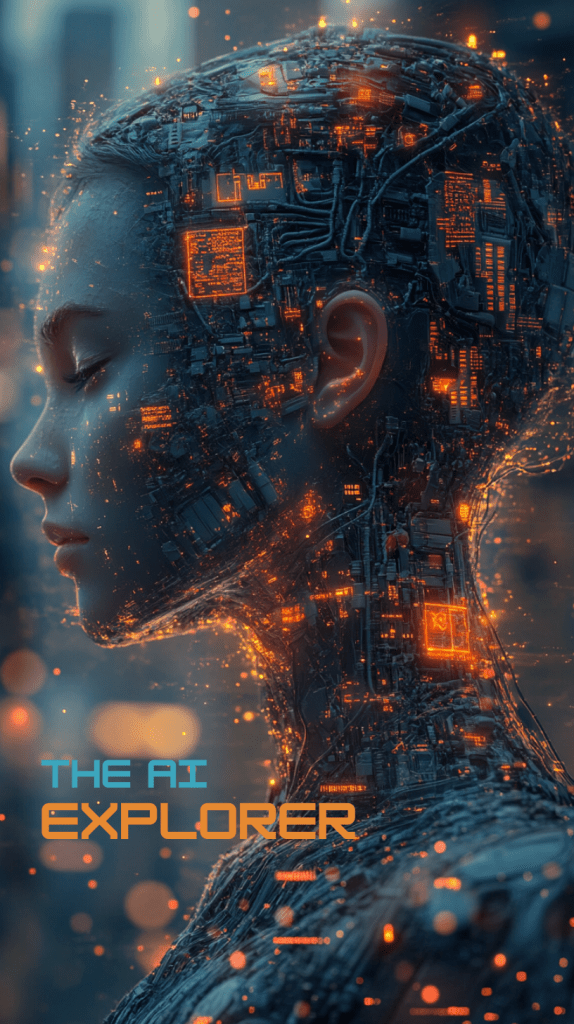


The traditional education system is on the verge of a massive transformation, and artificial intelligence (AI) is leading the charge. In an age where students have shorter attention spans and are constantly surrounded by digital distractions, AI is stepping in to revolutionise learning by making it more interactive, personalised, and engaging. Gone are the days of monotonous lectures and rigid curriculums—AI is shaping a future where education is tailored to individual needs, making learning not only more effective but also enjoyable.

The Current Challenges in Education
Today’s students face several challenges in the traditional education system:
- Decreased Attention Spans: With the rise of social media, video games, and instant content, students struggle to focus for long periods.
- One-Size-Fits-All Approach: Traditional teaching methods often fail to accommodate different learning styles, making it difficult for some students to keep up.
- Lack of Engagement: Many students find traditional learning methods outdated and uninteresting, leading to a lack of motivation and disengagement.
AI is set to address these challenges by offering more dynamic, adaptive, and engaging educational experiences.
How AI is Disrupting Education
1. Personalized Learning Experiences
AI can analyze a student’s strengths, weaknesses, and learning habits to create customised lesson plans. Instead of a one-size-fits-all curriculum, AI-driven platforms like Khan Academy’s AI tutor and Google’s Socratic provide personalised content and adaptive learning pathways, ensuring that every student learns at their own pace.
2. AI-Powered Interactive Learning
Traditional textbooks and lectures are being replaced by AI-powered interactive learning tools. Augmented Reality (AR) and Virtual Reality (VR) combined with AI create immersive learning experiences that make subjects like history, science, and mathematics come to life. Imagine students exploring ancient Egypt in a virtual setting or conducting virtual science experiments safely from their devices—this is the future AI is making possible.
3. Smart Tutoring and Instant Feedback
AI-driven tutors provide real-time assistance to students, offering explanations and solutions instantly. Platforms like Duolingo and Coursera AI tutors help students with language learning and complex problem-solving. AI also provides instant feedback on assignments, helping students correct mistakes and understand concepts more effectively.
4. Gamification and AI-Powered Engagement
Gamification is another way AI is making learning fun. AI-driven educational games turn lessons into interactive challenges, rewarding students for progress. Apps like Prodigy (math learning) and Classcraft (classroom engagement) use AI to personalise gaming experiences, keeping students motivated and eager to learn.
5. Breaking Language Barriers
AI-powered translation tools are helping students overcome language barriers, making education more accessible to non-native speakers. Tools like Google Translate’s AI integration and Microsoft’s AI-powered language assistants allow students to learn in their preferred language, breaking down communication obstacles in global education.
6. Automated Grading and Teacher Support
AI is also transforming the role of educators by automating administrative tasks such as grading and assessment. Teachers can use AI-driven grading systems like Gradescope and Turnitin AI to assess assignments quickly and accurately, freeing up time to focus on personalised student support.
The Pros of AI Disrupting Education
✅ Enhanced Engagement: AI makes learning more interactive, fun, and immersive.
✅ Personalised Education: AI adapts to each student’s learning style and pace.
✅ Increased Accessibility: AI-powered learning tools break down barriers for students with disabilities and language differences.
✅ Real-Time Feedback: Instant AI-driven feedback improves learning retention and helps students understand concepts more efficiently.
✅ Less Administrative Work for Teachers: AI automates repetitive tasks, allowing educators to focus on mentoring and creative teaching strategies.
✅ Future-Proof Learning: AI-driven education prepares students for the digital workforce, equipping them with essential skills for tomorrow’s job market.
The Future of AI in Education
As AI technology advances, the education system will continue to evolve. Schools and institutions that embrace AI-driven learning tools will create more engaging, efficient, and inclusive educational environments. However, it’s crucial to balance AI integration with human interaction to ensure that students still develop critical thinking, emotional intelligence, and social skills.
In the coming years, we can expect AI to play a pivotal role in shaping a new era of education one that is interactive, adaptable, and truly student-centered.
Are you ready for the future of AI-driven learning?



Leave a Reply