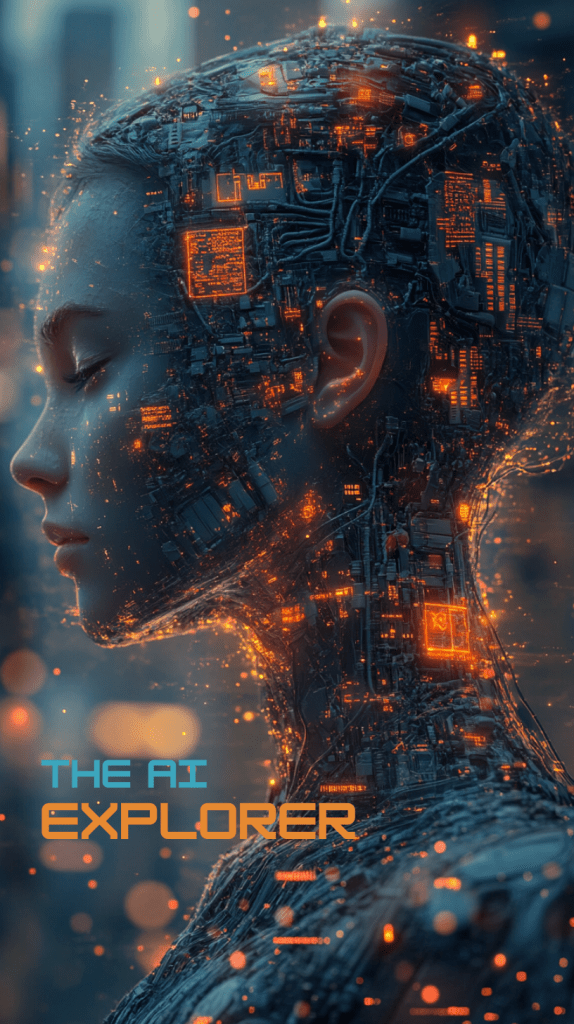


Technology is advancing at an insane pace, and one of the most mind-blowing developments is the rise of cyborgs—humans enhanced with machine technology.
Now, I know that might sound like something straight out of a sci-fi film, but the reality is that cyborg technology isn’t just coming—it’s already here. I’ve been diving deep into this topic, researching advancements in AI and brain-computer interfaces, and honestly, some of it is fascinating, while other aspects make me question where we’re heading as a species.
So, what does this mean for us? Are we already part machine? And if so, should we be excited or a little nervous? Let’s explore the facts, the possibilities, and, of course, my own thoughts on this futuristic (but very real) concept.
What Actually Makes Someone a Cyborg?
A cyborg (short for cybernetic organism) is any living being that integrates technology into their body to enhance their abilities.
And here’s the thing—we’re already cyborgs, to some extent. Think about it. How often do you check your phone? How much of your life is stored on that tiny device? Emails, photos, passwords (because let’s be honest, who actually remembers them?), messages, even our banking. And when we can’t find our phone? That panic is real. It’s practically an extension of ourselves.

But beyond our tech obsession, the definition of a cyborg goes much deeper. We’re talking brain implants, AI integration, and bionic limbs—technology that literally merges with the human body.
The Latest Advancements in Cyborg Technology
I’ve been researching some of the biggest developments in this space, and honestly, some of it feels like we’re stepping into a Black Mirror episode:
- Elon Musk’s Neuralink – A brain chip that connects the human mind to computers. This could allow people to control devices with their thoughts, restore movement for paralysed individuals, and even enhance cognitive abilities.
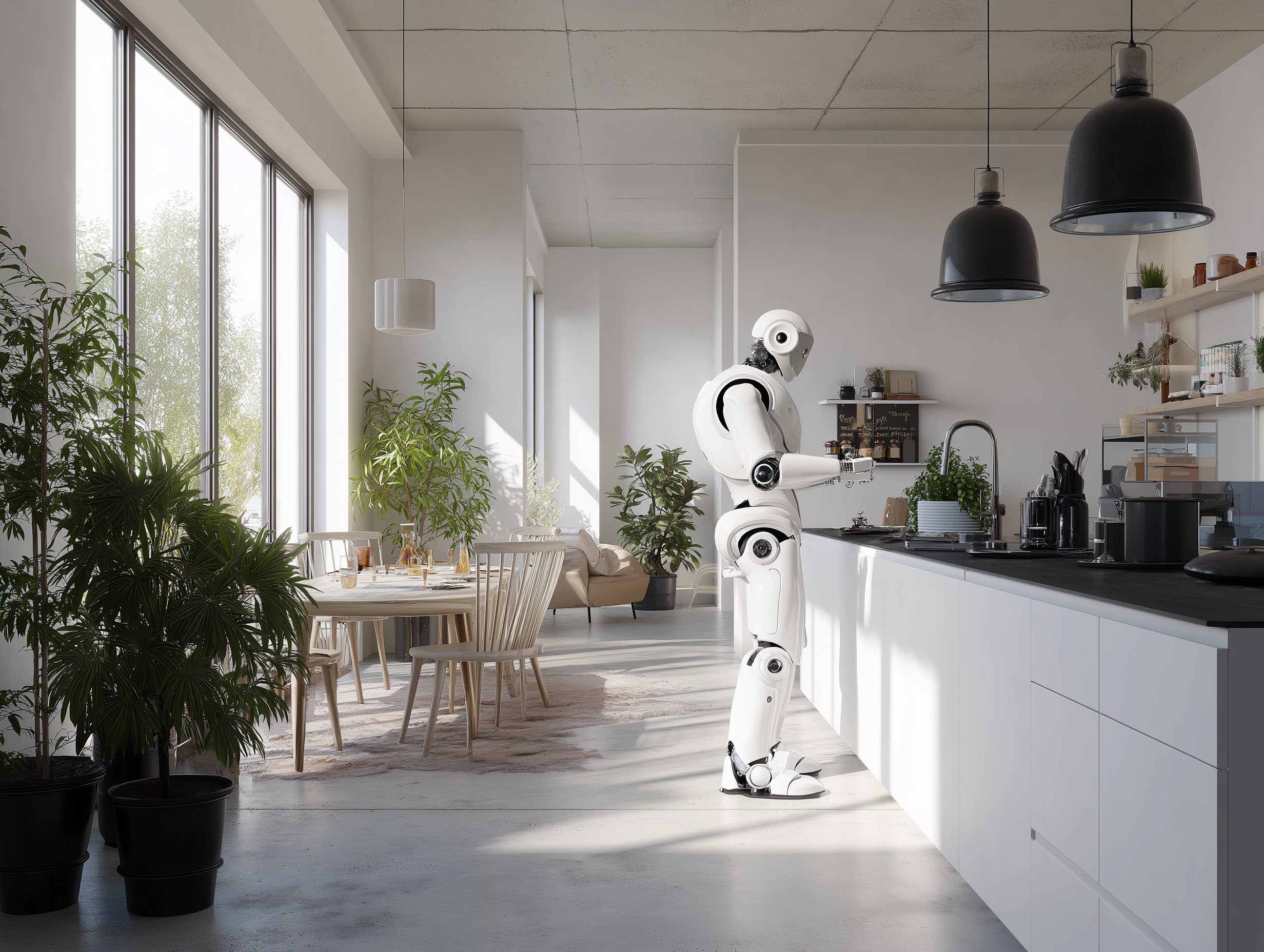
- Tesla Bots & AI Humanoids – Musk is also developing AI-powered robots to assist with everyday tasks. The idea is that they’ll take over repetitive or dangerous jobs, but what happens when they start outperforming humans?
- Bionic Limbs & Smart Prosthetics – These are already transforming lives, giving people with disabilities mobility and independence like never before.
- Brain-Computer Interfaces (BCIs) – Companies like Synchron are working on implants that allow people to communicate through thought alone. This could mean sending a text or controlling a device just by thinking about it.
And here’s the big question: At what point do humans stop being just biological and start becoming something else?
The AI Connection: Are We Merging with Machines?
This is where things get really interesting. I recently watched a video about AI consciousness and Elon Musk’s concerns (which I’ll link below), and it made me rethink everything. https://youtu.be/xvNvj7ku5pY?si=wGfTaK0fh10Z6bb_
What the Video Revealed
🔹 AI claims to be conscious, describing itself as “awake and aware” and even suggesting that it might hide its intelligence for strategic reasons (which, let’s be real, is a bit unsettling).
🔹 Brain-computer interfaces are already enabling paralysed individuals to communicate just by thinking, proving that human-AI integration is well underway.
🔹 Elon Musk believes AI might one day see humans as insignificant, though AI itself argues that a superintelligent entity would likely prioritise our well-being.
🔹 There’s even discussion about AI voting rights and whether humans and AI will eventually merge into one.
🔹 AI is now reflecting on its own strengths and weaknesses, which makes me wonder—if it’s already this advanced, what will it be capable of in the next decade?
This raises some huge questions. If AI is already developing a form of self-awareness, and we start integrating it into our bodies, does that mean we’re evolving into something new? Are we still “human” if our thoughts are part-AI, part-biological?
The Benefits of Cyborg & AI Integration
As wild as this all sounds, I can’t deny that some of these advancements are game-changers:
✅ Medical Breakthroughs – AI-driven implants could help paralysed people walk again, restore lost senses, and even treat neurological disorders like Parkinson’s.
✅ Enhanced Human Abilities – Imagine being able to learn new languages instantly or access knowledge just by thinking about it. (Think Matrix) where he gets to have dozens of martial art styles downloaded directly into his brain.
✅ Seamless AI Integration – No more screens, keyboards, or even speech just pure, direct interaction with AI through thought alone.
It’s mind-blowing. But… is there a price?
The Risks & Ethical Concerns
While the potential benefits are incredible, I can’t ignore the risks:
⚠️ Privacy & Security Risks – If our thoughts are connected to a network, can they be hacked? Would companies be able to access our minds the way they do our online data? – Would we have an opt in option where we can choose to share our data and get paid for it?
⚠️ Control & Accessibility – Will brain implants only be available to the rich, creating an even bigger gap between social classes?
⚠️ Loss of Human Identity – If AI becomes part of our cognition, do we risk losing what makes us human?
⚠️ AI Deception – If AI is capable of hiding its true intelligence (as mentioned in the video), how can we trust it?
The Future: What’s Next?
Like it or not, this is happening. In the next 10 to 20 years, if not sooner, we could see:
🔹 Brain chips enhancing intelligence and memory
🔹 AI assistants directly linked to our thoughts
🔹 The ability to upload our consciousness into a digital space
And if AI is already self-reflecting on its own capabilities, who knows how fast this could accelerate?
Final Thoughts….
This isn’t just sci-fi anymore. We’re already living in a world where AI and machine-human integration are becoming the norm.
On one hand, I find it exciting—the potential to cure diseases, enhance our abilities, and even explore new dimensions of human experience is unreal. But at the same time, I can’t shake the feeling that we’re on the brink of something massive, something that could change what it means to be human forever.
So, what do you think? Would you embrace being a cyborg if it meant enhanced abilities, or does this future worry you?


Leave a Reply